E-learning : Make coding and electronics fun and exciting activities. AutodeskTinkercad
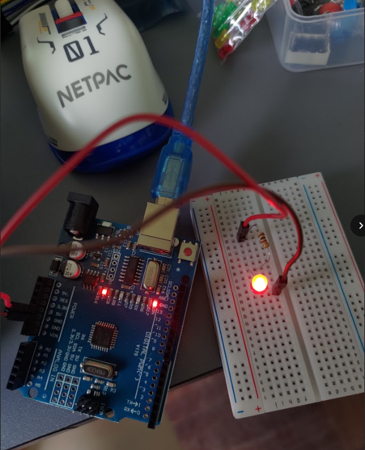
1.Bread board or or solderless breadboard.
A tool that can connect electronics component togethers without soldering.
It features rows of metal clips under tiny holes, connected vertically in the center and horizontally along the sides (power rails), allowing components and jump wires to be plugged in and easily modified for prototyping, commonly used with Arduino.
img
2.LED
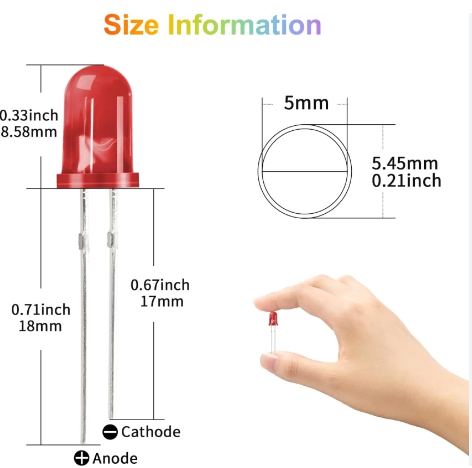
Light Emitting Diode (LED) is a highly efficient semiconductor device that converts electrical energy directly into light. Youtube
3.Dupont wire (male to male type)
A dupont wire used to interconnect components without soldering
Youtube

4.Resistor 1KOhm
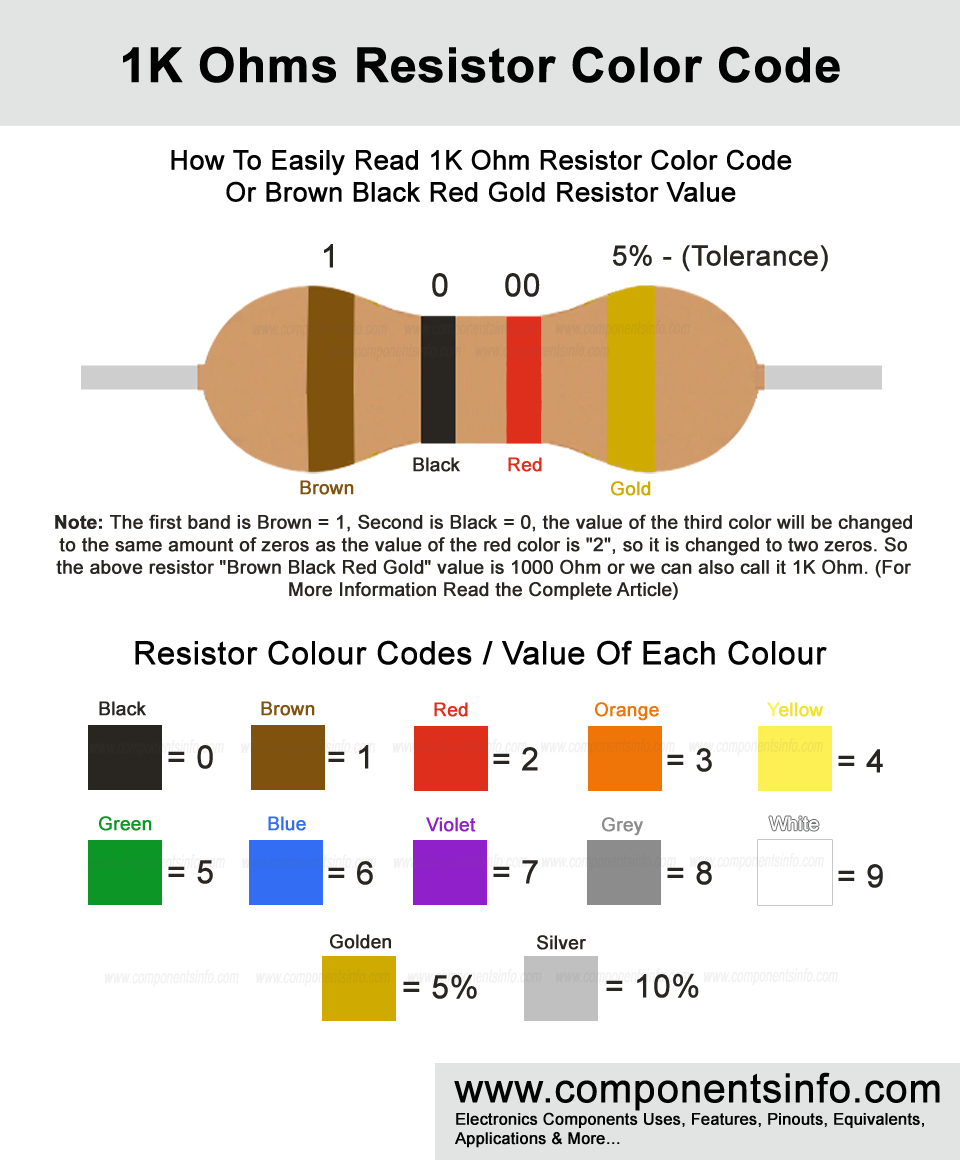
A passive two-terminal electronic component that implements electrical resistance to reduce current flow, adjust signal levels, and divide voltages in circuits. It restricts electron flow by converting electrical energy into heat, measured in Ohms (Ω). Common types include fixed, variable, and specialized resistors like LDRs or thermistors.
5.UNO R3 CH340 with USB cable
Arduino has been used as the "brain" in thousands of creative projects for microcontrollers which are the chips that make objects interactive by programmed to sense, control activity using sensors and actuators. For example timers, toys, remote controls.

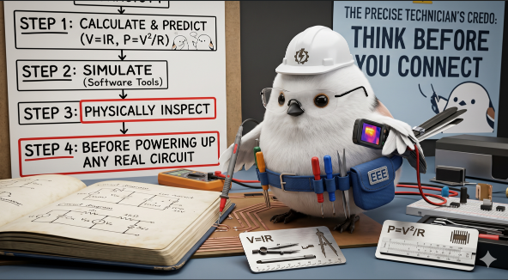
This project is to safely connect component with power supply without breaking the component or a circuit.
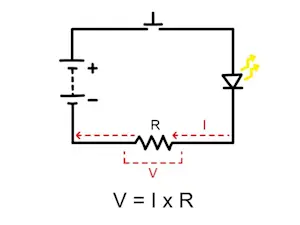
Ohm's Law is the basis of electronics.
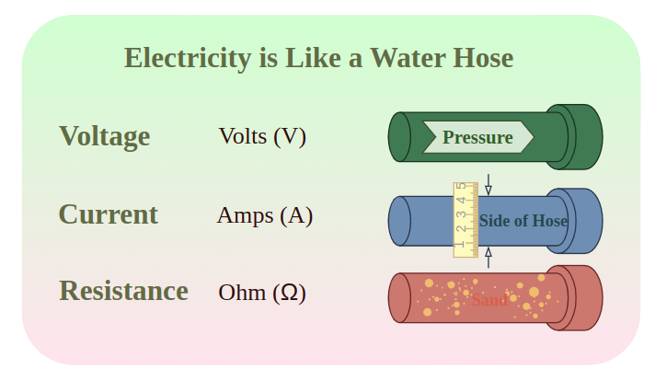
Same as water system in our home,
-Bread board is pipe system that leads current to others part of the house(Bread board)
-Pump send water pressure to push water in pipe system which same as a voltage(V) that release from battery or power source.
-Water flow rate is the current(I) the amount of water release through pipe. In electronics, it's the amount of electrons moving through the wire.
-Valve or pipe size act as a resistance(R) a control how water/current flow, making it harder for water/current to get through.
-LED like a water wheel. It consumes the energy of the flowing water to do "work" in this case produce light.
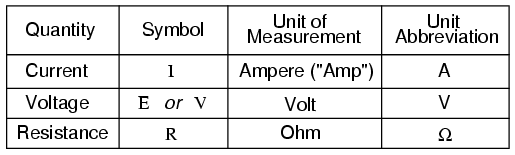
SI base unit (International System of Units) is the modern form of the metric system and is the most widely used system of measurement in the world.
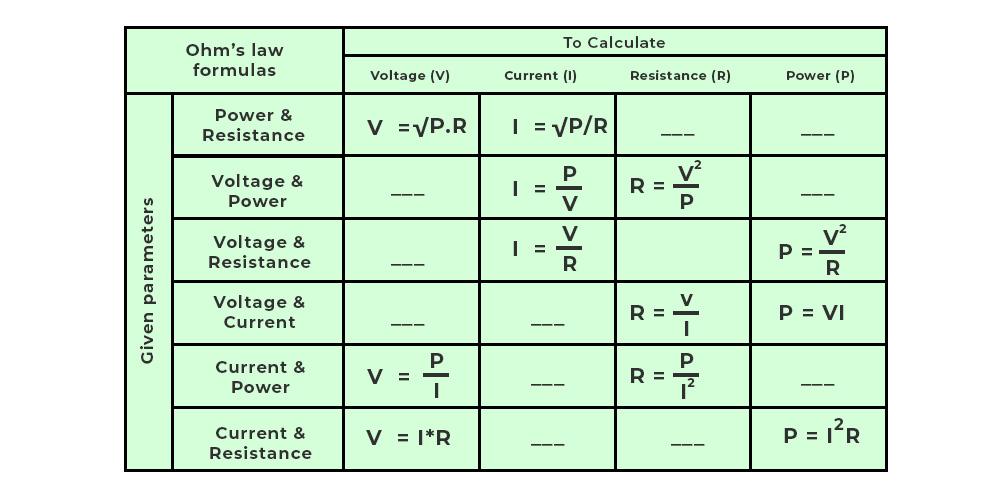
Scenario1) Protecting an LED (Voltage & Current) You have a power source of 12V and you want to run an LED that requires 0.02A (20mA). You need to find the correct resistor to use so you don't burn it out.
For scenario 1, given voltage 12V and current for LED requires at 0.02A so formula is R = V / I , answer is 600 Ω to exact answer which is the minimum resistance needed to limit the current to exactly 20mA.
However the safer choice is to give a buffer by running up a bit for voltage fluctuations. The key rule: always go higher, never lower.
A resistor that's too small lets too much current through and burns out the LED; one that's slightly too large just makes it a tiny bit dimmer, which is perfectly fine. Protect components from too much current.
Scenario 2: The Power Drill (Voltage & Resistance)You are looking at a small DC motor for a project. The motor has an internal resistance of 10 Ω and is connected to a 5V power supply.
Given: Voltage (V) = 5, Resistance (R) = 10
Question: Calculate the Power (P) in Watts to see if your power supply can handle the load.
Power consumption, heat generation, and component safety.
For scenario 2, P = V² ÷ R so Power supply should provide minimum 2.5 watt. Because voltage is so powerful: P = V²/R, a small voltage increase causes a large power jump. If your power supply is strong enough before you build — saving you from burning out equipment
Comments